

Celebrating Those Who Care
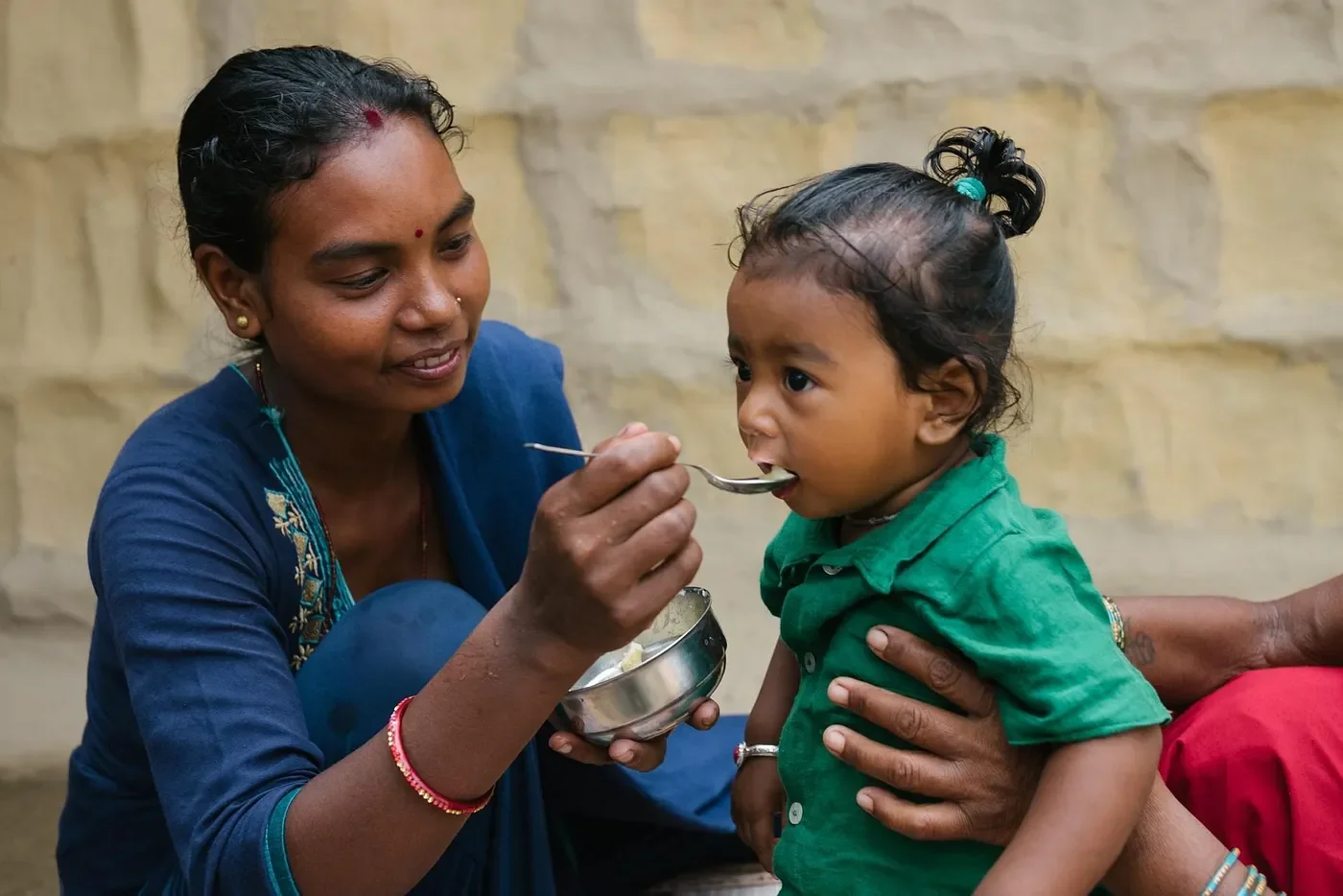
My year-end message: take time to reflect on those who care for us, what they have done for us and what we have done for them.
Press enter or click to view image in full size
Photo Credit: USAID
No matter what else we may think we need to succeed in this world, we need care. So as we close out the year I’m re-issuing the Voices of Care podcast from October 29, International Day of Care. Domestic Workers: Past, Present and Future is especially meaningful for me, as it features an archival interview with a woman who was a legend in this movement: Myrtle Witbooi, who became a domestic worker at the age of 17, in the late 1960s and within a decade was leading the domestic workers’ movement in apartheid South Africa. I had the great, great fortune to know Myrtle and work with her in her later life when she was leading this global movement. We lost Myrtle in 2021, and when I realized I had this recording and listened to it again, I was moved to tears. Hers was the perfect voice to launch The Mothership, as there is no better example of an amazing story of a seemingly ordinary woman who rose to do extraordinary things.
Myrtle was just a regular girl from a township who came of age in apartheid South Africa. By the mid-1970s she had been a domestic worker for several years. She told me how one day when she was in her early 20s, she was upset by an unfair characterization of domestics in a local newspaper and wrote a letter to the editor. The reporter tracked her down, suspicious that a young Black woman could possibly have written such a letter. She won him over, and he convinced her to speak at a meeting for domestic workers from the Cape Town area.
“You have to lead us,” one of the participants told her. And before too long she was indeed leading young women care workers like herself as part of the expanding social justice movement to end apartheid.
Voices of Care highlights the experiences and advocacy of other care workers, focusing on their struggles for rights, recognition, and dignity. Through personal stories from Tembi and Lindywe, we hear more about the present and future of the domestic worker movement in South Africa. And the leader who now leads the international domestic worker union that Myrtle founded, Adriana Paz, discusses the future of our global movement.
Get Bama Athreya’s stories in your inbox
Join Medium for free to get updates from this writer.
Subscribe
I love these stories because they illuminate the power all of us have in our daily lives. However, as I work on public policy I also want to highlight some important policy wins on the global stage this year, even in the midst of what feels like unprecedented backlash against labor and women’s rights.
In August, the Economic Commission for Latin America and the Caribbean (ECLAC) hosted the sixteenth session of the Regional Conference on Women in Latin America and the Caribbean. The central theme, Advancing a Care Society, was a bold choice and came on the heels of a pathbreaking decision by the Interamerican Court for Human Rights asserting a right to care. I wrote more here about why this was such a victory.
And in November, G20 leaders minus the United States met in South Africa and in their final leaders’ communique, delivered a remarkable statement on the importance of gender equality, covering “the importance of “comprehensive intersectoral care policies, strategies, roadmaps and action plans.” To be sure, this is due to brilliant, dedicated, strategic advocacy by W20 and other affinity group leaders over the course of several years. I wrote more here about W20’s critical contributions.
It’s so easy to join this movement. You don’t have to march or protest or join global meetings. All that’s needed is to recognize just how critical care is to you and your loved ones, and talk about the value of care in your own communities. Look around to see who’s providing care and what they need to live dignified lives.
I’ll end where I began today’s post: this year-end holiday, think about the ones who care for all of us, and lend your support to efforts to push our entire societies to better care for them.
_________________
If you want to hear more about how the world’s oldest profession is bumping up against the AI-dominated workforce of the future, check out some additional episodes from Season Two of The Gig: Who Cares.